
Instructions
Windows 11 Latest Update (2026): What’s New and What Changed
Feb
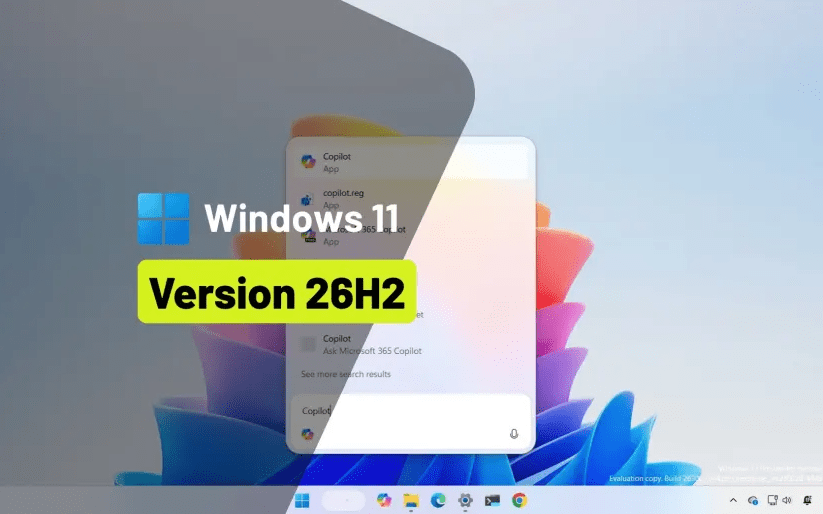
Microsoft continues to refine its operating system, and the Windows 11 latest update in 2026 brings several improvements in performance, security, and usability. While this update is not a complete redesign, it introduces meaningful enhancements that improve daily experience for both home and professional users.
In this guide, we’ll break down what’s new, what changed, and whether you should install the newest Windows 11 update.
Performance Improvements
The latest Windows 11 update includes under-the-hood optimizations that improve:
- Boot speed on supported hardware
- Background task efficiency
- CPU scheduling for newer processors
- Memory usage stability
Many users report smoother multitasking after installing the update.
If your PC still feels slow after updating, see our guide on how to speed up Windows 11 for additional performance tuning.
Security Enhancements
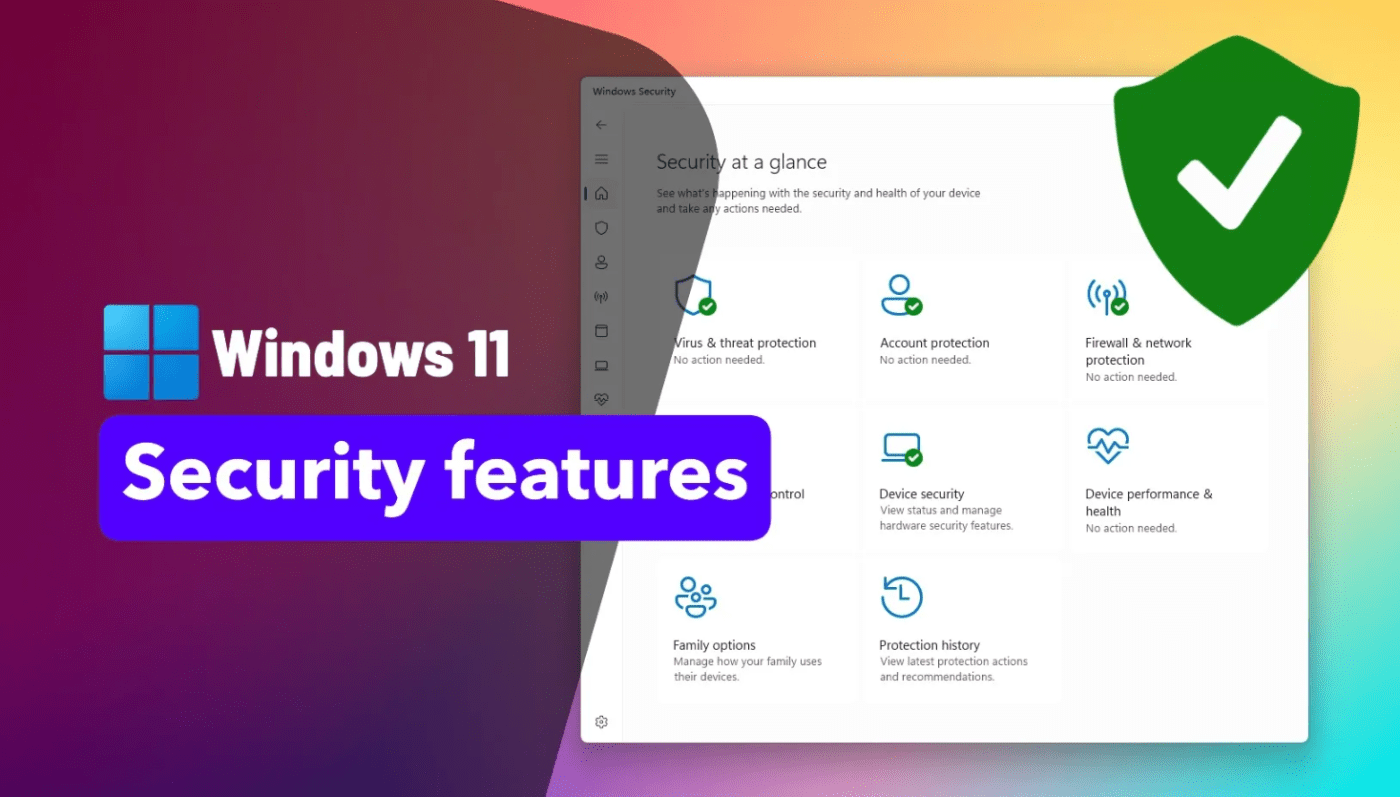
Security remains a priority in 2026. This update includes:
- Improved Microsoft Defender detection
- Better phishing protection
- Enhanced Secure Boot reliability
- Patch updates for newly discovered vulnerabilities
Systems running the latest update are better protected against modern threats.
User Interface Tweaks
While the overall design remains consistent, this update includes:
- Improved taskbar responsiveness
- Smoother animations
- Better multi-monitor support
These changes make the interface feel more polished.
Update Stability and Reliability
Microsoft has focused heavily on stability:
- Fewer update failures
- Reduced restart time
- Smaller cumulative updates
- Improved rollback protection
If you previously experienced update problems, they may now be resolved. For recurring issues, review our article on common Windows 11 problems and fixes.
Compatibility and System Requirements
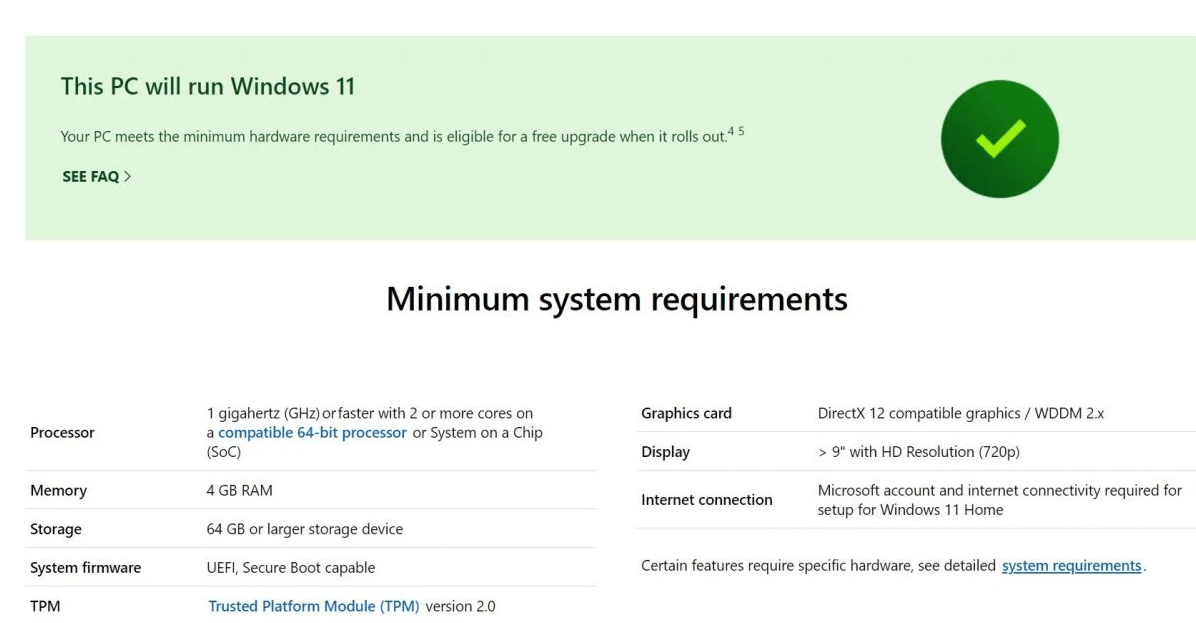
The system requirements remain the same in 2026:
- TPM 2.0 required
- Secure Boot enabled
- Supported processors only
Before installing the update on older hardware, verify compatibility by reviewing Windows 11 system requirements in 2026.
Should You Install the Latest Windows 11 Update?
For most users, yes.
You should install it if:
- You want improved security
- You want the latest features
- Your system is supported
- You rely on Windows 11 long-term
However, if your device is used for mission-critical business tasks, you may prefer to wait a few days to ensure full stability.
How to Install the Latest Update
- Open Settings
- Go to Windows Update
- Click Check for updates
- Install available updates
- Restart your PC
The update typically installs automatically if your system is configured correctly.
Activation After Updates
In rare cases, major updates may temporarily affect activation status.
If activation is required after reinstalling or major system changes, make sure you’re using a genuine license – you can find reliable Windows 11 keys here.